
The short answer
Duct cleaning makes sense when there is visible debris, pest activity, mold growth, or leftover dust from remodeling inside your ducts, not simply because a certain amount of time has passed. We inspect the system first, then recommend cleaning, sealing and repair, or replacing damaged sections, based on what we actually find.
Ductwork in a San Fernando Valley home works hard. Inland summers run much hotter than near the coast, so air conditioners in Canoga Park often run for months at a time, and fall Santa Ana winds push fine, dry dust through every gap in a house. Over the years, dust, debris, construction leftovers, and sometimes pest nesting material collect inside the ducts. Leaks, loose joints, and crushed sections can also develop in attics and crawlspaces where nobody looks. Breezanta HVAC Repair Service cleans and inspects duct systems for homeowners in Canoga Park and nearby areas, including West Hills, Winnetka, Reseda, Woodland Hills, and Chatsworth. This page explains when duct cleaning is worth doing, what we check, when repair or replacement makes more sense, and how a visit works.
Signs Your Ducts Need Attention
Not every home needs routine duct cleaning, and we won't recommend it just to fill a schedule. Ducts that are sealed well and paired with a filter that gets changed on time can stay reasonably clean for a long time. Some situations do call for a closer look, though. In older Valley homes with ducts in hot attics, the problem is often damage or leaks rather than dirt, so we look at both.
Common reasons homeowners call us include:
- Dust or debris blowing out of supply registers when the system starts
- Visible buildup on return grilles or inside the duct openings that comes back soon after you wipe it away
- Signs of rodents or insects, such as droppings, nesting material, or odors when the system runs
- Musty smells or visible mold growth on duct surfaces or near the indoor coil
- A recent remodel, drywall work, or flooring sanding that ran while the system was on
- Rooms that stay noticeably warmer or cooler than the rest of the house
- Whistling, rattling, or a noticeable drop in airflow at some vents
- Moving into a home where you don't know how the system was maintained
What We Check During a Duct Inspection
Cleaning without an inspection can miss the real problem. Before we recommend any work, we look at the full air path, from the return grille to the last supply register. Where we can, we use a camera to see inside duct runs that aren't accessible by hand.
We also look at the equipment the ducts connect to, because a dirty blower or coil can send debris right back into freshly cleaned ducts. You'll see what we see, and we'll explain it in plain terms.
- Return grilles, return ducts, and the filter slot, including whether the filter fits and seals properly
- Supply ducts and branch runs for debris, pest activity, moisture, and mold
- Flexible duct for kinks, sagging, crushed sections, and torn outer jackets
- Connections at the plenum, boots, and registers for gaps and air leaks
- Duct insulation condition, especially in attics where summer heat is extreme
- The blower assembly and, where accessible, the indoor coil for dirt buildup
- Airflow at registers to spot rooms that aren't getting their share
Cleaning, Repair, or Replacement
Once we know what's going on, there are usually three directions to go. Many homes need a mix of them.
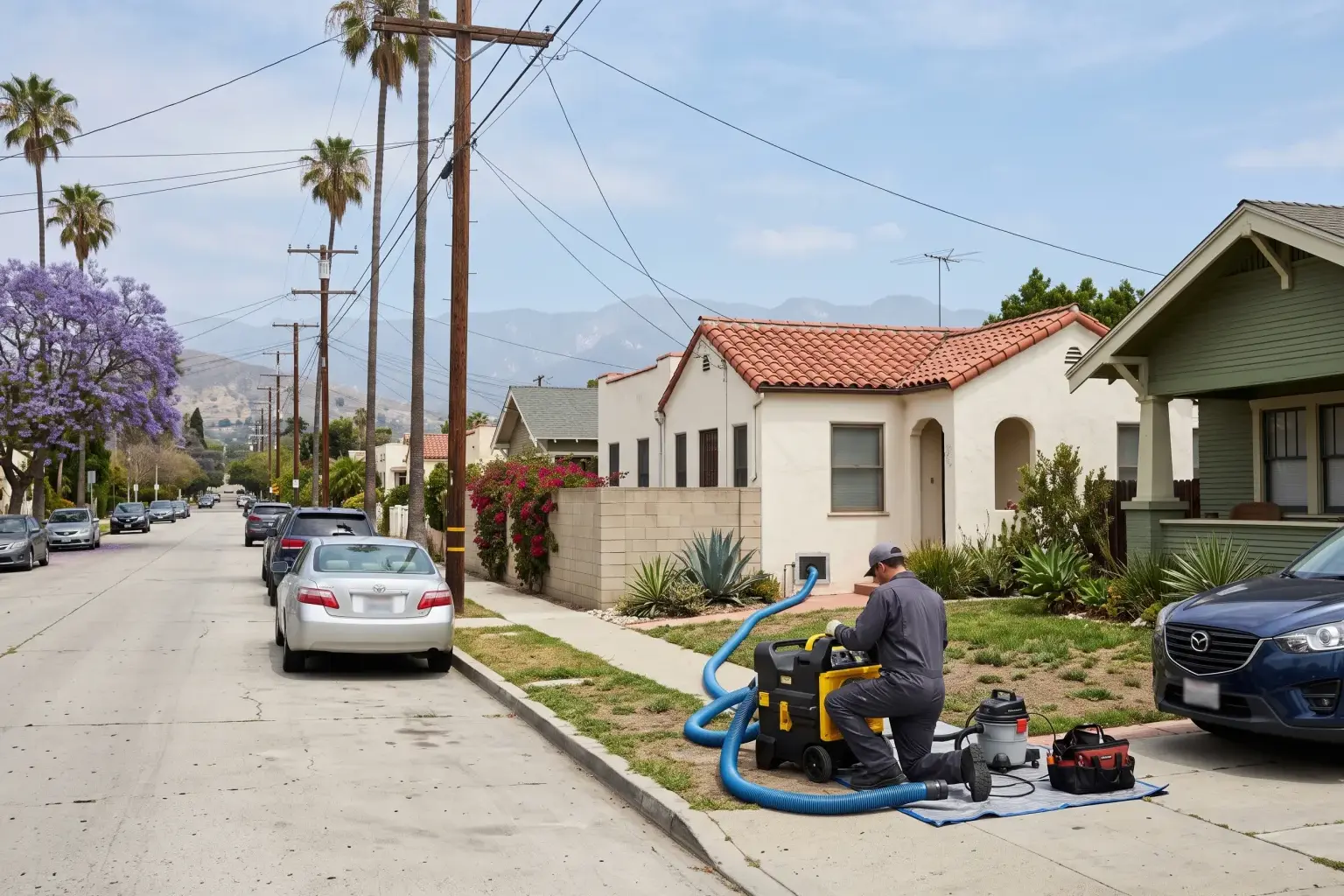
Cleaning fits ducts that are structurally sound but dirty. We use negative-pressure equipment to pull debris out of the system while agitation tools loosen buildup from the duct walls, so dust is captured instead of spread through the house. We clean the registers, grilles, and blower compartment along with the ducts.
Repair and sealing fits ducts that are in decent shape but leaking or partly damaged. That can mean resealing joints, reconnecting loose runs, replacing a crushed section, fixing torn insulation, or adjusting how flex duct is supported so it doesn't sag. Leaky ducts in an attic pull in hot, dusty air, so sealing often helps more than cleaning alone.
Replacement fits ductwork that is badly deteriorated, heavily contaminated, poorly designed, or too small for the system it serves. If you're also planning a new air conditioner, furnace, or heat pump, it's a good time to look at the ducts, because new equipment depends on them to perform as designed. If a furnace replacement is part of the plan, note that South Coast AQMD Rule 1111 limits emissions from gas furnaces installed in this region and the district updates its compliance dates, so we check the current rule when planning that work.
What Affects the Cost
Every home is different, so we give a quote after the inspection rather than a flat figure over the phone. The main factors are:
- The size of the home and the number of supply and return vents
- How the ducts are laid out and how easy they are to reach, such as attic, crawlspace, or inside walls
- The type of duct, since sheet metal, duct board, and flex duct are handled differently
- How much debris is present, and whether pest material or mold needs to be addressed
- Whether repairs, sealing, or section replacement are needed in addition to cleaning
- Whether the blower, coil, or other equipment also needs cleaning
- The number of HVAC systems in the home
How a Visit Works
When you contact us, we'll ask a few questions about what you're noticing and schedule a time that works for you. At the visit, the technician starts by walking through the house with you and asking about any rooms or symptoms that concern you.
Next comes the inspection of the ducts, vents, and connected equipment. We'll show you photos or camera footage, explain what we found, and lay out your options with a written quote. Nothing starts until you approve it.
If you go ahead with cleaning, we protect floors and furniture near the work area, seal off registers as needed, and connect the collection equipment. Any repairs we've agreed on are done during the same visit when possible. Before we leave, we replace or reinstall the filter, run the system, check airflow at the registers, and walk you through what was done. We'll also suggest simple steps, like regular filter changes, to help keep the ducts cleaner going forward.